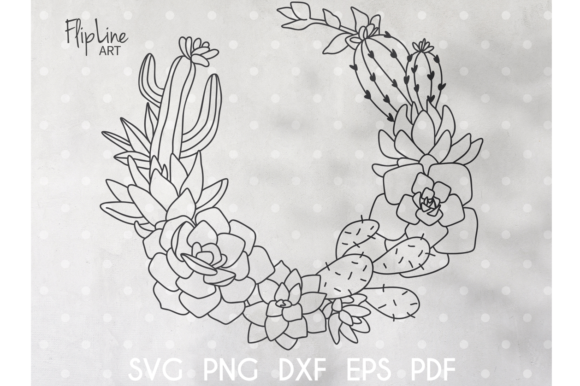
Cactus Floral Border: A Designer’s Real-World Review
As a designer who has spent countless hours hooping fabric and troubleshooting thread breaks, I approach every new machine embroidery design with a mix of curiosity and skepticism. We have all been there: you download a file that looks stunning on the screen, only to find it turns into a puckered mess once the needle hits the fabric. That is why I took a close, practical look at the Cactus Floral Border. This isn't just about whether it looks cute; it is about whether it holds up in a real embroidery project intended for sale or gifting.
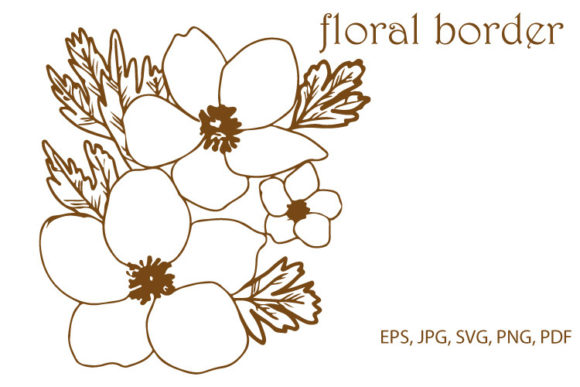
The first impression of this design is immediately grounding. It captures that specific bohemian aesthetic that has remained popular in home decor and apparel for years, but it does so with a clean, outlined illustration style. For those of us working in Illustrations and Graphics, we know that "cute" can sometimes mean "cluttered." However, the Cactus Floral Border manages to balance the organic shapes of cacti and succulents with enough negative space to let the stitches breathe. It feels like a modern wreath, perfect for framing a monogram or standing alone as a decorative accent.
Visualizing the Stitch-Out
When I evaluate a design like this, I immediately start picturing it on actual products. The layout suggests versatility. I imagined this specifically on a canvas tote bag design. The horizontal or curved nature of a border works exceptionally well across the top third of a bag, leaving plenty of room below for utility. Because the design relies on an outlined style, it likely utilizes a combination of running stitch for the delicate details and perhaps a light satin stitch for the thicker stems or leaves. This is crucial because heavy fill stitch areas can make a tote bag stiff and uncomfortable to hold. An outlined approach keeps the fabric flexible.
I also considered this for sweatshirt embroidery. A crewneck sweatshirt provides a stable, thick surface that handles embroidery beautifully. Placing this border across the chest or along the bottom hem could create a subtle, high-end boutique look. The succulent theme appeals to a wide demographic, from college students to gardening enthusiasts, making it a safe yet stylish choice for custom apparel lines. However, the success here depends entirely on the stitch density. If the digital file is too dense, the fleece will bunch up. If it is too light, the dark fabric might show through the gaps. This is where your test stitch becomes non-negotiable.
Performance on Tricky Surfaces
Not every surface is forgiving. I thought about using this as an embroidered patch or on a structured cap. Caps are notoriously difficult due to the curved surface and the seam running down the center. The Cactus Floral Border would need to be carefully centered to avoid distortion. If the design includes tiny, intricate corners in the cactus spines or leaf tips, these might not register clearly on a textured twill cap fabric. In such cases, simplifying the thread path or increasing the stitch length slightly can help maintain clarity.
For baby embroidery, such as on a onesie or a soft blanket, comfort is paramount. Babies have sensitive skin, so the back of the embroidery must be clean. If this design uses a lot of jumps or loose threads on the reverse side, it will require careful trimming and possibly a soft backing. I would recommend testing this on a scrap piece of the exact same knit fabric you plan to use. Pay attention to how the stabilizer interacts with the stretch. A cut-away stabilizer is usually best for knits to prevent the design from warping after washing, but you must ensure the hoop tension is not so tight that it leaves permanent marks on the garment.
Color Theory and Thread Selection
The beauty of an outlined illustration is its adaptability to different thread colors. In my mental mockup, I tried two distinct palettes. First, a natural, earthy tone: sage greens, muted terracottas, and sand beiges. This creates a sophisticated, organic look suitable for adult home decor or minimalist fashion. Second, I imagined a vibrant, playful palette: bright lime, hot pink, and turquoise. This version would pop on a white tea towel or a summer dress, appealing to a younger demographic or for holiday embroidery gifts like Cinco de Mayo or spring celebrations.
One practical tip: always check your design in black and white before stitching. This helps you see the contrast and structure without the distraction of color. If the design loses its definition in grayscale, it may rely too heavily on color contrasts rather than stitch structure, which can be risky if a customer requests a monochrome look. The Cactus Floral Border seems to have strong structural lines, which is a positive sign for readability regardless of the thread choice.
Commercial Viability for Etsy Sellers
For the Etsy seller or small shop owner, this design fits neatly into several profitable niches. It works as a standalone motif for personalized gift items, where you might add a name in the center of the wreath. It also serves well as a branding element for botanical shops or eco-friendly businesses. When creating printable mockup images for your online store, ensure you photograph the stitched result on high-quality fabric. Customers need to see the texture and sheen of the thread to trust the quality of your handmade product.
However, before you list this as part of your craft business inventory, you must verify the licensing terms. The product description mentions you receive a ZIP file, but it cuts off before detailing the license. Never assume a digital embroidery file allows for unlimited commercial sales. Check if there are restrictions on the number of physical items you can sell or if attribution is required. Protecting your small shop product line starts with respecting intellectual property rights.
Practical Designer Notes
To ensure the best results with the Cactus Floral Border, keep these technical considerations in mind:
- Test on Scrap Fabric: Always run a test stitch on the same type and weight of fabric you intend to use for the final product. This reveals issues with tension and density.
- Check Hoop Size: Confirm the design dimensions fit your available hoops. If you need to resize it significantly, be aware that this can distort stitch angles and cause thread breaks.
- Stabilizer Choice: Match your stabilizer to your fabric. Use tear-away for woven cottons and cut-away for knits or stretchy materials to maintain shape.
- Inspect Small Details: Zoom in on the digital file. Are the tiniest cactus spines too close together? If so, they might merge into a blob when stitched. You may need to edit the file to increase spacing.
- Contrast Matters: Ensure your thread color contrasts sufficiently with the fabric. Low contrast can make the intricate outlines disappear, reducing the visual impact of the finished product.
In conclusion, the Cactus Floral Border offers a charming, versatile option for designers looking to add a touch of nature-inspired whimsy to their work. Its outlined style suggests a lighter hand on the fabric, which is ideal for wearable items and home goods. By paying attention to stabilizer choice, thread contrast, and licensing details, you can confidently integrate this design into your repertoire of commercial embroidery assets. It is a solid candidate for anyone aiming to create professional, eye-catching pieces that resonate with the current love for botanical aesthetics.