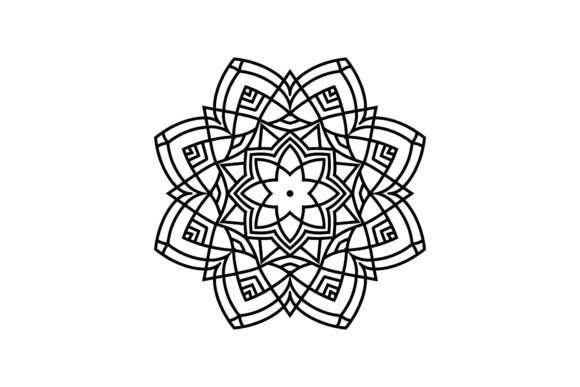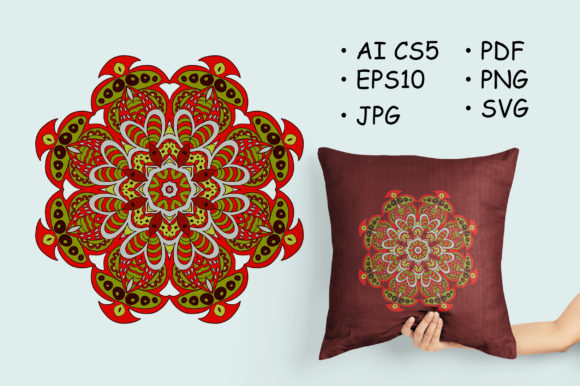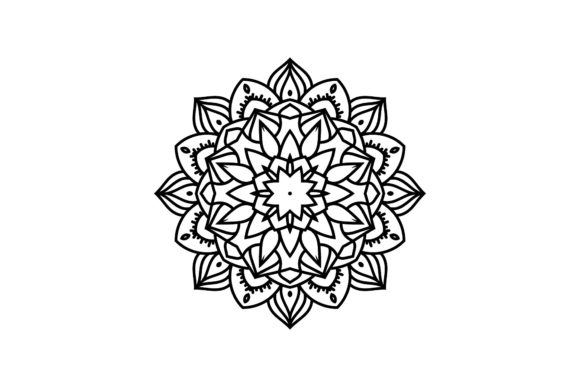
Mandala Decoration Floral Illustration Graphics
As a graphic designer who has spent over a decade refining brand identities and crafting marketing visuals for diverse clients, I approach every new asset with a critical eye. It is not just about whether a file looks pretty in isolation; it is about how it performs under the pressure of a real client deadline and within the constraints of a specific brand strategy. Recently, I had the opportunity to integrate the Mandala Decoration Floral Illustration into a concept for a boutique wellness brand, and the experience offered valuable insights into its versatility and practical application in modern design workflows.
First Impressions: Visual Mood and Stylistic Fit
The moment I opened the files, the intricate detailing of the mandala stood out. This is not a generic clipart piece; it carries a sense of handcrafted elegance that resonates deeply with current trends in the handmade business sector. The visual mood is one of balance, spirituality, and organic growth, making it an ideal candidate for projects targeting audiences interested in yoga, meditation, natural skincare, or artisanal crafts. The floral elements are woven seamlessly into the geometric structure of the mandala, creating a harmonious blend of nature and symmetry. For designers working on brand identity projects that require a touch of sophistication without appearing overly corporate, this asset provides a strong foundational element.
Performance in Real-World Client Projects
In my recent project, the client needed a cohesive look for their product launch, ranging from packaging to social media graphics. The Mandala Decoration Floral Illustration proved to be remarkably adaptable. Because it is a vector-based graphic design asset, scalability was never an issue. I resized it from a subtle watermark on a business card to a dominant hero image on a website banner without any loss in quality. This flexibility is crucial when dealing with multi-channel campaigns where consistency across various mediums is key.
For print-on-demand sellers and Etsy product creators, this illustration offers significant value. I tested it on several mockups, including tote bags, mugs, and t-shirt designs. The complex lines held up well in sublimation design processes, provided the resolution settings were optimized. When used as a central motif for a sticker design, the clear boundaries of the vector paths allowed for clean cutting, which is essential for Cricut projects and other die-cut applications. The ability to edit individual components means you can simplify the design for smaller applications or enhance certain floral aspects to match a specific color palette.
Ideal Applications and Strategic Placement
Understanding where to place this asset is just as important as knowing how to use it. Based on my testing, here are the scenarios where the Mandala Decoration Floral Illustration shines:
- Packaging Design: It works beautifully as a decorative accent on labels for candles, soaps, or teas. Placing it on the back or side panel adds a layer of premium detail without overwhelming the primary logo.
- Social Media Graphics: Use it as a background element with reduced opacity to create depth for Instagram posts or Pinterest pins. It adds texture and visual interest to quote cards or promotional announcements.
- Editorial Design: In magazines or eBooks, this illustration serves as an excellent chapter divider or section header, breaking up text blocks with a visually engaging pause.
- Invitations and Stationery: For weddings or spiritual retreats, the mandala’s symmetrical beauty complements serif and script fonts, creating an inviting and elegant aesthetic.
Navigating Limitations and Design Caution
While the asset is versatile, it is not a one-size-fits-all solution. Designers must exercise caution when using such detailed illustrations in crowded layouts. The intricate lines of the mandala can easily clash with busy backgrounds or small body text, leading to readability issues. I found that it struggles in minimalist branding contexts where negative space is prioritized. If your client requires a ultra-clean, corporate look, this floral mandala might feel too ornate and distracting.
Furthermore, visual hierarchy is paramount. When placing the Mandala Decoration Floral Illustration near a logo or call-to-action button, ensure there is sufficient contrast. I recommend using it on solid, light-colored backgrounds to let the details breathe. On dark backgrounds, you may need to adjust the stroke weights or convert parts of the design to white or metallic tones to maintain visibility. Always test the design in black and white first to ensure the structural integrity of the mandala holds up without relying on color differentiation.
Practical Designer Notes for Commercial Use
Before delivering any final files to a client, I run through a checklist to ensure professional standards are met. Here are my specific notes for working with this digital product:
- File Format Inspection: Verify that you are working with the vector files (SVG or AI) for maximum editability. This allows you to ungroup elements and change colors easily to match brand guidelines.
- Contrast Testing: Preview the illustration on both light and dark mockups. Ensure that the fine lines do not disappear or create a moiré pattern when printed at small sizes.
- Typography Pairing: Experiment with different font styles. I found that pairing this illustration with a clean sans serif font creates a modern contrast, while a handwritten font enhances its organic, handmade feel. Avoid overly decorative display fonts that might compete with the mandala’s complexity.
- Licensing Verification: Always confirm the commercial license terms. Whether you are creating a Canva template for resale or designing packaging for a local business, understanding the usage rights is non-negotiable to protect both you and your client.
- Print Quality Check: If using for physical products like wall art or apparel, do a test print. Check for any jagged edges or pixelation, especially if you have converted vectors to raster formats like PNG for specific software compatibility.
Enhancing Brand Consistency and Emotional Appeal
Ultimately, the goal of any graphic design asset is to support the brand’s message. The Mandala Decoration Floral Illustration contributes to a sense of trust and professionalism when used correctly. Its balanced composition evokes feelings of calm and stability, which can significantly boost audience engagement for wellness and lifestyle brands. By integrating this illustration into a cohesive design bundle—alongside complementary colors, fonts, and imagery—you create a recognizable visual language that strengthens brand recognition.
For small business owners and marketers, leveraging such high-quality illustrations can elevate perceived value. A well-designed product label or social media post featuring this mandala suggests attention to detail and care, qualities that consumers associate with premium products. Whether you are building a web design layout, crafting marketing visuals for a seasonal campaign, or developing a new line of printable designs, this asset offers a robust starting point for creative exploration.
In conclusion, the Mandala Decoration Floral Illustration is a powerful tool in the designer’s arsenal. It bridges the gap between traditional artistic motifs and modern digital needs. By understanding its strengths in scalability and aesthetic appeal, while respecting its limitations regarding layout density and contrast, designers can unlock its full potential. It is more than just a decorative element; it is a strategic component that, when applied with intention, can transform a simple design into a compelling visual narrative for any creative marketplace.