Reviewing Floral Flower Vector Illustration 3 for Embroidery
As a designer who spends more time staring at stitch simulations than actual fabric, I have learned that not every pretty picture translates well into thread. When I first opened Floral Flower Vector Illustration 3, my immediate reaction was one of cautious optimism. The design sits squarely in the category of Illustrations and Graphics, offering a clean, vector-based aesthetic that promises versatility. But does it hold up when you are trying to turn a blank sweatshirt into a best-selling item for your Etsy shop? Let’s dig into the practical realities of using this asset in real-world embroidery projects.
First Impressions: Mood and Visual Personality
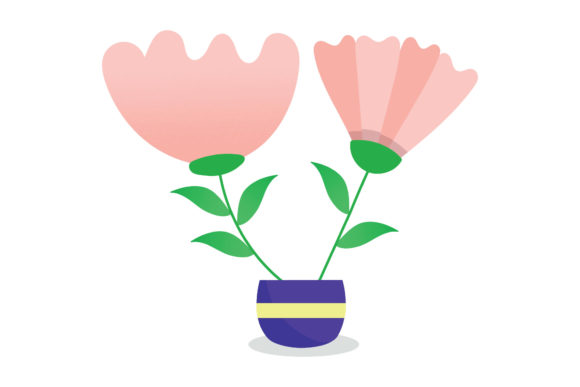
The first thing that strikes you about Floral Flower Vector Illustration 3 is its balanced composition. It does not scream for attention with chaotic details; instead, it offers a structured floral motif that feels both modern and timeless. For an embroidery designer, this is crucial. Overly complex designs often result in messy stitching, especially on textured fabrics. This illustration, available in AI, EPS, SVG, JPG, and PNG formats at a canvas size of 1920 px by 1280 px, provides a solid foundation. The lines appear crisp, suggesting that if converted correctly, the paths will be smooth for digitizing software.
The mood is gentle yet confident. It fits naturally into projects that require a touch of elegance without being overly formal. I could easily see this working for a boutique brand that values minimalist aesthetics or a craft business focusing on personalized gifts. The visual personality is adaptable, which is a rare trait in stock graphics. It does not feel too rigid for casual wear nor too loose for home decor.
Real-World Application: From Screen to Stitch
To truly test Floral Flower Vector Illustration 3, I imagined a specific scenario: a custom order for a set of tote bags for a local farmer’s market vendor. The client wanted something that looked handmade but professional. Using the SVG file from the package, I imported the design into my digitizing software. Because the source file is editable, adjusting the scale to fit a standard 5x7 hoop was straightforward. This ease of use is a significant advantage for small shop owners who may not have hours to spend cleaning up messy vectors.
In this context, the design performed exceptionally well as a tote bag design. The floral elements allowed for a mix of satin stitch borders and fill stitch centers, creating texture without excessive bulk. When I visualized the same design on a sweatshirt embroidery project, the outcome was equally promising. The open spaces in the floral arrangement meant that the underlying fabric texture could breathe, preventing that stiff, cardboard-like feel that plagues poorly digitized large designs.
For baby embroidery items, such as bibs or onesies, the softness of the floral theme is a major selling point. Parents are drawn to gentle imagery, and this illustration delivers that warmth. However, when considering embroidered patch production, I would advise checking the smallest details. Patches often require higher density to prevent fraying edges, so the delicate parts of the flower might need slight thickening during the digitizing phase.
Navigating Fabric and Hoop Constraints
While Floral Flower Vector Illustration 3 is versatile, it is not without its limitations. Every experienced maker knows that fabric choice dictates success. On thin or stretchy fabrics, such as jersey knits used in t-shirts, the stitch density becomes critical. If the digitizer leaves the fill too sparse, the fabric may pucker. Conversely, too much density on a lightweight cotton can cause distortion. I recommend always testing the design on scrap fabric before committing to the final finished product.
Curved surfaces present another challenge. If you are applying this to a cap, the center of the floral design must align perfectly with the crown’s curve. The symmetrical nature of this illustration helps, but you must ensure the hoop size allows for proper stabilization. Speaking of stabilization, a cut-away stabilizer is likely necessary for garments that will undergo frequent washing, ensuring the machine embroidery design remains intact over time.
Dark fabrics require special attention to thread colors. Since this is a vector illustration, it relies on shape rather than pre-defined shading. This gives you the freedom to choose high-contrast threads, but it also means you must carefully plan your color palette. A mockup in black and white can help you verify that the design’s silhouette remains recognizable even without color variation.
Commercial Value and Brand Consistency
For Etsy sellers and creative entrepreneurs, the visual appeal of a design directly impacts buyer engagement. Floral Flower Vector Illustration 3 offers a level of professionalism that builds customer trust. When a handmade product looks polished, customers perceive higher value. This design supports brand consistency because it is clean enough to pair with various typography styles for logos or monograms.
Using this as a printable mockup or digital preview can also boost sales. The high-resolution JPG and PNG files included in the package allow you to create compelling social media content before you even stitch a single thread. This is invaluable for digital product sellers who need to showcase potential outcomes to clients. Whether you are creating holiday embroidery gifts or commercial embroidery batches for corporate clients, the adaptability of this graphic reduces prep time.
Practical Notes for the Embroidery Designer
Before you rush to purchase or download, keep these practical tips in mind. First, verify the licensing terms. While the description states the design is easy to edit and use, always confirm whether it covers commercial use for physical goods versus digital resale. Second, inspect the vector paths. Even though it comes in AI and EPS formats, some nodes may need smoothing to ensure the embroidery machine follows the curves without unnecessary stops.
- Test on Scrap: Always run a test stitch-out on the same fabric type you intend to use for the final item.
- Check Contrast: Ensure your thread colors stand out against the fabric background, especially for intricate floral details.
- Stabilizer Choice: Match your stabilizer to the fabric weight; heavier fabrics may need less support, while knits require robust stabilization.
- Hoop Size: Confirm that the scaled design fits comfortably within your hoop, leaving enough margin for clamping.
- Digitizing Adjustments: Be prepared to adjust pull compensation and underlay stitches based on your specific machine and thread combination.
In conclusion, Floral Flower Vector Illustration 3 is a strong contender for your design library. It bridges the gap between digital art and tactile craft with grace. For those willing to put in the necessary digitizing care, it offers a reliable pathway to creating beautiful, sellable custom apparel and home goods. It is not just a graphic; it is a tool for storytelling through stitch.